Few plants carry the same allure as the vanilla orchid, a climbing vine whose slender pods have flavoured desserts and drinks for centuries. Growing this fragrant treasure at home might sound like a project reserved for tropical greenhouses, but with the right conditions, patience, and a bit of know-how, even a windowsill or a modest polytunnel can host a thriving vanilla plant. This guide walks through the botanical background, the practical care requirements, and the rewarding process of pollinating and harvesting your own beans.
What to know
- Vanilla planifolia is a vigorous climbing orchid that can be successfully cultivated indoors with proper care and attention to its tropical environmental needs.
- Optimal growth requires bright, diffuse light, consistent temperatures around 26-27 degrees Celsius, and a well-draining, bark-based substrate to prevent root rot.
- Vanilla vines need sturdy supports, like trellises or moss poles, and benefit from high-humidity environments such as bathrooms or polytunnels.
- Successful indoor cultivation requires manual pollination of the short-lived flowers because the native Melipona bees are typically absent outside their natural habitat.
- The journey from planting to harvest is a long-term commitment, often taking three to four years before the pods are ready for the complex curing process.
- Growers can choose between various vanilla species, such as Bourbon or Tahitian, each offering unique flavor profiles influenced by their growing conditions.
Understanding the Vanilla Orchid: From Tropical Vine to Kitchen Treasure
The Botanical Heritage of Vanilla planifolia and the Orchid Family
Vanilla belongs to the orchid family, making it something of an outlier among culinary crops since most spices come from far less glamorous plants. The species most commonly cultivated is Vanilla planifolia, a vigorous climbing vine native to Mexico and Central America that produces the long, slender pods we recognise as vanilla beans. Unlike showier orchids grown purely for their blooms, this variety is prized for its fruit, which develops after the short-lived flower is pollinated. The vine itself can grow remarkably long, clinging to supports with aerial roots, and it thrives in warm, humid climates that mimic its tropical origins.
Distinguishing vanilla varieties: bourbon, papua new guinea, and beyond
Not all vanilla is created equal, and enthusiasts soon discover a fascinating range of varieties beyond the familiar supermarket bottle. Bourbon vanilla, despite its name, actually refers to vanilla grown on islands near Madagascar and is prized for its rich, classic flavour. Meanwhile, Vanilla pompona, sometimes called West Indian vanilla, offers a slightly different aromatic profile, while Vanilla tahitensis, or Tahitian vanilla, brings floral, almost cherry-like notes that chefs adore. There's also Vanilla odorata, less commonly grown but valued for its distinctive scent. Growers exploring beans from regions such as Papua New Guinea often find subtle variations in flavour depending on soil, climate, and curing methods, which is part of what makes collecting different varieties such an engaging hobby.
Cultivating vanilla indoors: essential care and environment requirements
Proper Watering Techniques and Potting Considerations for Your Vanilla Plant
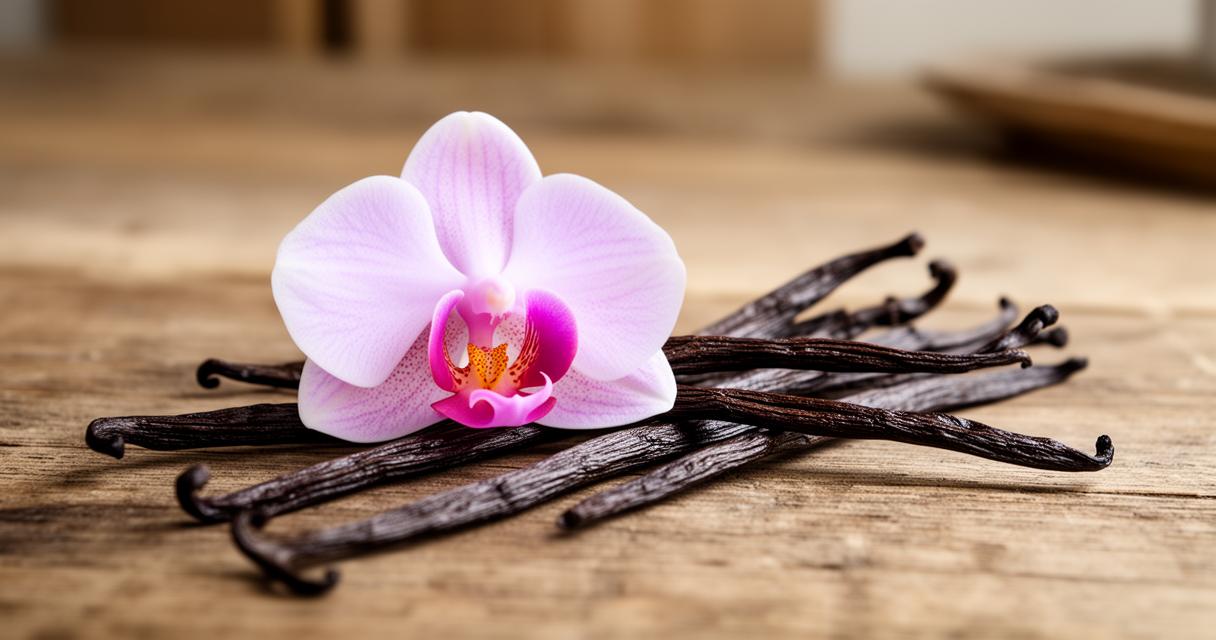
Vanilla plants are surprisingly particular about their watering regime, and getting this wrong is one of the quickest ways to lose a vine. The trick is to mimic the wet and dry seasons of its native habitat rather than keeping the soil constantly saturated. Overwatering is a common pitfall that leads to root rot, so a well-draining potting mix is essential. Many experienced growers recommend clay pots measuring around 30 to 40 centimetres in diameter, as clay allows excess moisture to evaporate more readily than plastic containers. Good drainage holes and a chunky, bark-based substrate similar to what's used for other epiphytic orchids will help the roots breathe while still retaining enough moisture to keep the vine happy.
Creating the Ideal Indoor Environment for Vine Growth and Pod Development
Temperature and light are the two pillars of successful vanilla cultivation. The plant prefers a consistent range of roughly twenty-six to twenty-seven degrees Celsius, alongside bright but diffuse light rather than harsh direct sunlight, which can scorch its leaves. Humidity is equally important, and many home growers find that a bathroom, conservatory, or a small polytunnel offers the steady warmth and moisture the vine craves. Speaking of polytunnels, these structures come in a huge range of sizes, from compact six-foot domestic setups to expansive thirty-foot commercial installations, and choosing the right cover, whether it's a Super Therm, Smart White, or Green and White option, can make a real difference in maintaining stable growing conditions. Alongside climate control, the vine will need sturdy support structures to climb, much like a trellis or moss pole, since in the wild it scrambles up trees using its aerial roots.
Pests are another consideration worth keeping an eye on. Vanilla plants can attract slugs and snails, spider mites, and mealybugs, all of which can weaken the vine if left unchecked. Regular inspection of leaves and stems, along with prompt treatment, helps keep infestations from spiralling out of control. Combined with careful moisture management to prevent root rot, a watchful eye on pests forms the backbone of healthy, long-term vanilla care.
Pollination and Harvest: From Flower to Fragrant Vanilla Pods
Manual Fertilisation Methods and the Role of Native Melipona Bees
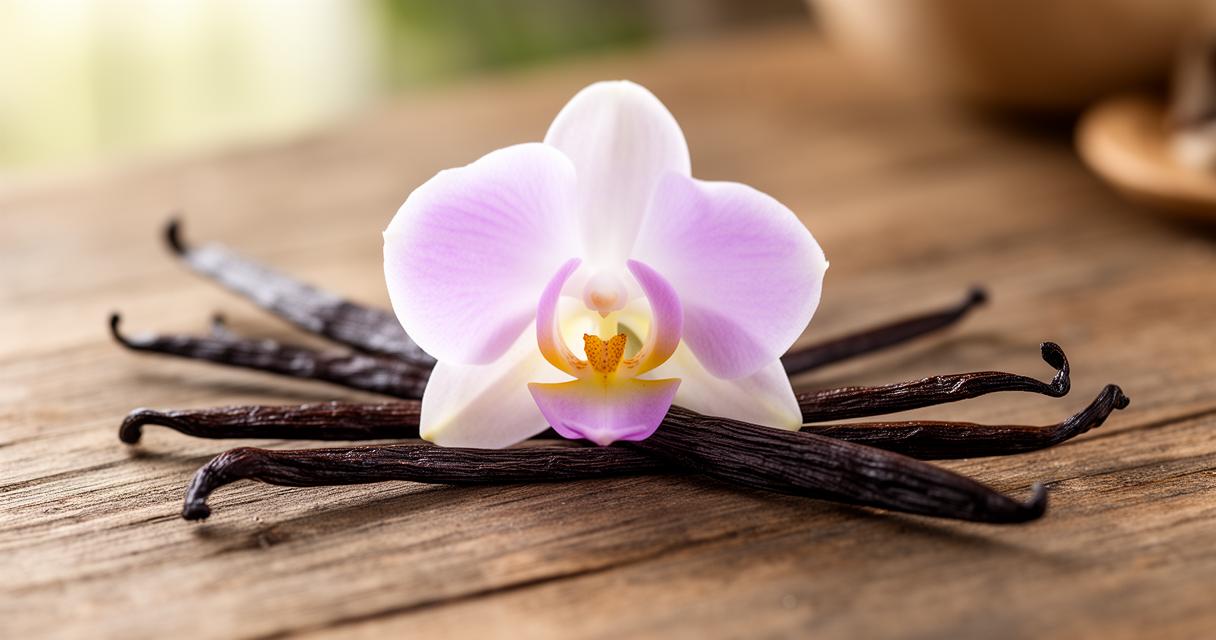
Once a vanilla vine matures, which typically takes around two to three years before it produces its first flowers, growers face one of the most delicate stages of the entire process. In its native Mexico, vanilla is pollinated by the Melipona bee, a small stingless native species perfectly adapted to access the orchid's uniquely shaped bloom. Outside of this specific region, however, these bees are absent, meaning most vanilla grown around the world, including in home settings, requires manual fertilisation. This involves carefully lifting a small flap within the flower to allow pollen to reach the stigma, a task that must be done within a narrow window since each bloom only opens for a matter of hours. Patience and a steady hand are essential here, as missing this brief opportunity means waiting for the next flower to appear.
Harvesting and Curing Your Vanilla Fruit for Culinary Applications
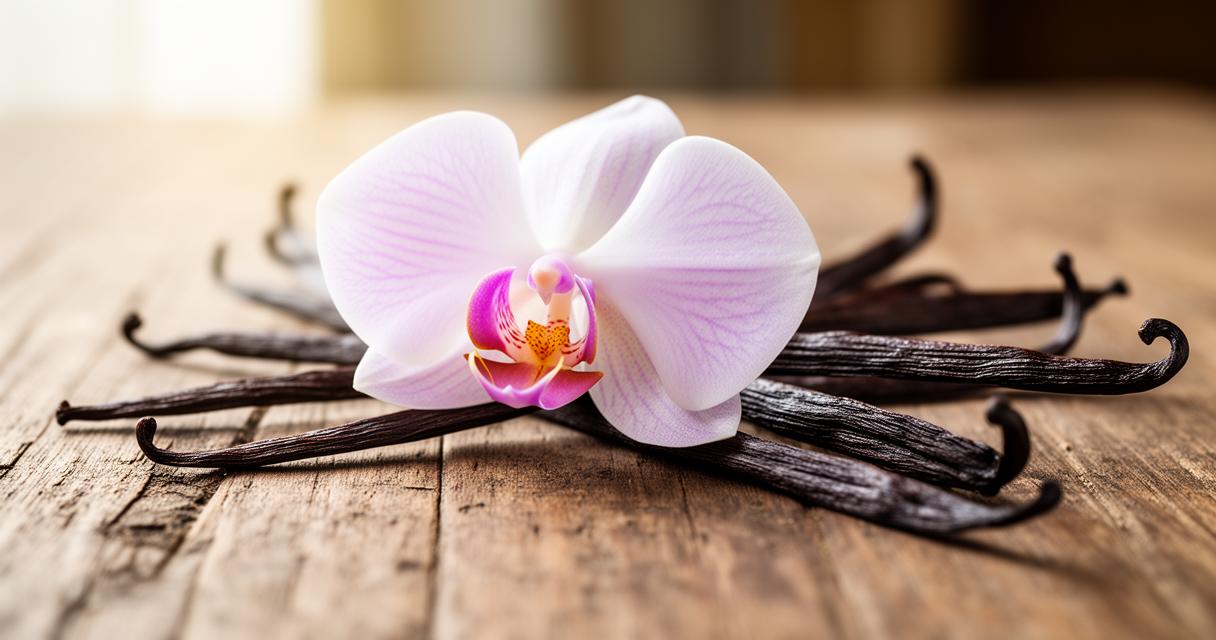
After successful pollination, the real waiting game begins. It generally takes an additional eight to nine months for the pod to fully mature, and the entire journey from planting to first harvest can span three to four years. Once the pods reach the right stage, they're picked and undergo a curing process that involves blanching in hot water followed by a slow drying period, during which the beans develop their characteristic dark colour and intoxicating aroma. This transformation is what turns a bland green pod into the rich, fragrant spice used in baking and cooking. Home growers who successfully cure their own beans often go on to make homegrown vanilla extract, steeping the cured pods in high-proof alcohol for anywhere between six and twelve months to produce a deeply flavoured extract perfect for cakes, biscuits, and desserts.
For those keen to explore further, joining a community of enthusiasts can be invaluable, whether through membership clubs focused on specific origins like Madagascar, or simply following growers and suppliers on social media platforms such as Instagram for tips, harvest updates, and seasonal offers. Growing vanilla at home is undeniably a long-term commitment, but the reward of snipping your own home-cured pod, rich with flavour and history, makes every step of the journey worthwhile.