There's something deeply comforting about a pork casserole bubbling away in the oven, filling the kitchen with rich, savoury aromas that promise a hearty meal ahead. Whether you're cooking for family on a chilly Sunday afternoon or prepping a dish that'll taste even better as leftovers, mastering this classic comfort food is a skill worth having in your repertoire. This guide walks you through every stage of creating a truly memorable pork tenderloin casserole, from selecting your cut of meat to plating the finished dish with confidence.
In short
- Choosing the right cut, such as tenderloin or pork shoulder, is the foundation for achieving a tender and flavorful casserole.
- Searing the meat in a hot cast iron skillet before slow cooking helps build a rich crust and deepens the overall flavor of the dish.
- A classic aromatic base of onions, carrots, and mushrooms, combined with stock and cider, creates a well-balanced and hearty broth.
- Patience is essential, as slow roasting for several hours allows the pork to reach a melt-in-the-mouth texture.
- Adding ingredients like cream at the end or crispy bacon lardons just before serving enhances the dish's texture and indulgence.
- Pork casserole is an ideal meal for batch cooking, as it freezes well and remains flavorful as leftovers.
Preparing your pork tenderloin and essential ingredients
Selecting and Seasoning the Perfect Cut of Pork
The foundation of any great casserole lies in choosing the right meat. While tenderloin offers a leaner option, many cooks swear by pork shoulder for its ability to become wonderfully tender during slow cooking, breaking down beautifully over several hours to create that melt-in-the-mouth texture we all crave. Whichever cut you choose, don't skimp on seasoning. A generous coating of salt and pepper before searing helps build a flavourful crust and locks in moisture, setting the stage for everything that follows. Some cooks like to add a touch of mustard directly onto the meat at this stage too, which lends a subtle tang that complements the richness of the dish beautifully.
Gathering your dutch oven essentials: olive oil, mustard, and fresh vegetables
Before you begin cooking, it's worth taking a moment to assemble everything you'll need. A splash of good quality olive oil is essential for browning the meat properly, while a spoonful of mustard adds depth when whisked into your sauce later on. As for vegetables, the classic trio of onion, carrots, and mushrooms forms the backbone of most casserole recipes, providing texture, sweetness, and earthy notes that balance the richness of the pork beautifully. Bacon lardons are another worthwhile addition, bringing a smoky, salty edge that elevates the entire dish. If you're catering to different dietary needs, there's a straightforward gluten free option available simply by ensuring your stock and any thickening agents are certified gluten free, making this a wonderfully adaptable recipe for family meal planning.
Mastering the Cooking Process: From Searing to Oven
Achieving the Perfect Sear in Your Cast Iron Skillet
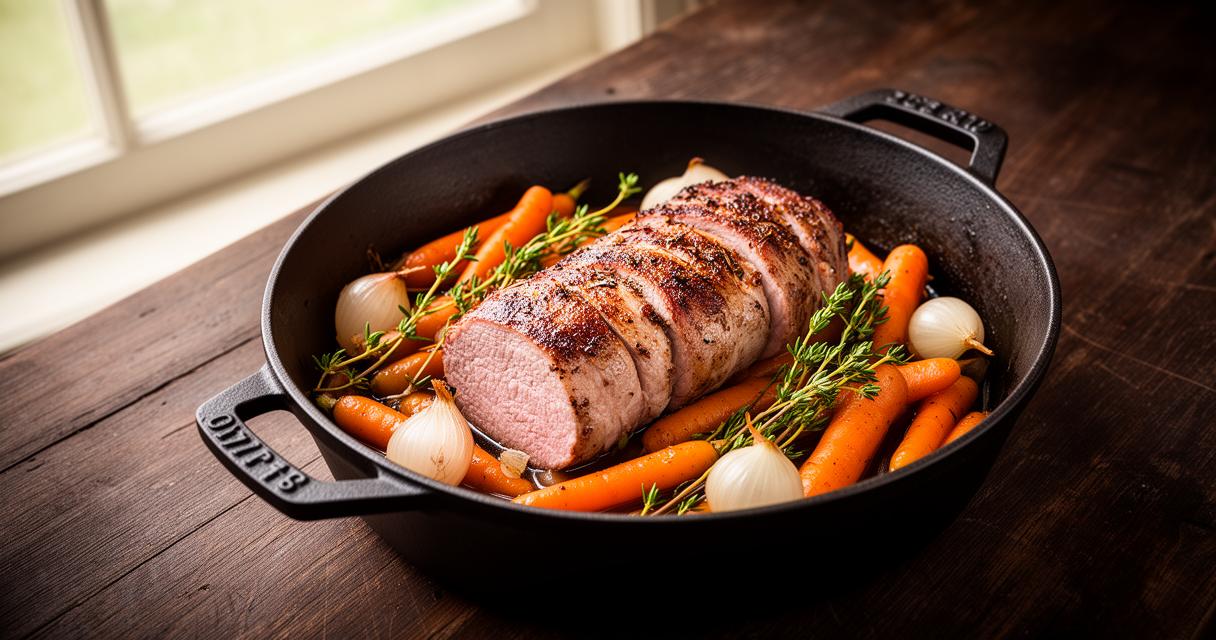
A good cast iron skillet is your best friend when it comes to building flavour. Heat your oil until it's shimmering, then sear the pork in batches, giving each piece plenty of space so it browns properly rather than steaming. This step shouldn't be rushed, as those caramelised edges contribute enormously to the overall depth of the finished casserole. Once your meat has developed a rich golden crust, remove it and set aside while you tackle the vegetables in the same pan, taking advantage of all those tasty browned bits left behind.
Creating Flavourful Broth with Bouquet Garni and Proper Timing
With your vegetables softened and fragrant, it's time to build the broth that will transform simple ingredients into something truly special. Pouring in stock along with a splash of cider creates a beautifully balanced liquid base, while a bouquet garni tied together with kitchen string infuses the entire dish with herbaceous notes as it simmers gently. Timing matters enormously here. Preparation typically takes around twenty minutes, but the magic really happens during the extended cooking period, which can stretch to three hours and twenty minutes when slow roasted in the oven, or considerably longer if you prefer using a slow cooker, where six to eight hours allows the pork to become impossibly tender. Patience is genuinely rewarded in this recipe.
Finishing touches and presenting your casserole
Combining all components and oven cooking guidelines
Once your broth is fragrant and your pork has had its initial sear, it's time to bring everything together. Return the meat to your Dutch oven, nestle in the vegetables, pour over your prepared stock and cider mixture, then cover and transfer to a moderate oven. For those wanting an extra layer of indulgence, stirring through cream towards the end of cooking creates a luxuriously silky sauce that clings to every bite. Bacon lardons are best added right at the final stage rather than at the start, as this keeps them delightfully crispy rather than allowing them to turn soggy during the long cook. Some variations call for apple slices to be included as well, lending a subtle sweetness that pairs remarkably well with pork.
Plating and Presentation Tips for an Impressive Final Dish
When it comes to serving, presentation genuinely matters, even for something as rustic as a casserole. Ladle generous portions into wide, shallow bowls to showcase the tender chunks of meat and colourful vegetables, then finish with a scattering of fresh herbs for a pop of colour. Creamy mashed potatoes make an unbeatable pairing, soaking up every last drop of that glorious sauce, though garlic green beans or a chunk of homemade bread work equally well if you're after something a little different. Each serving delivers a satisfying nutritional profile, with a good balance of protein and fat that makes this dish genuinely filling rather than just tasty. Given how well it keeps, this casserole is perfect for batch cooking and freezing, making busy weeknights considerably easier to manage. Whether you're drawing inspiration from a well-loved recipe with dozens of glowing reviews or putting your own spin on things with additional vegetables or a different stock, this dish consistently earns its place as a firm family favourite, proving that sometimes the simplest, slowest cooked meals are the most rewarding of all.