For centuries, saffron has captured the imagination of cooks, healers, and gardeners alike. Often hailed as red gold, this precious spice is painstakingly harvested from the delicate stigmas of the Crocus sativus flower. Its cultivation requires dedication and skill, as each bloom offers only three vivid red threads. Beyond its culinary allure, saffron has garnered attention for its potential to support mental wellbeing, protect the brain, and promote overall vitality. Understanding the journey from bulb to bloom reveals not only the artistry involved in growing this expensive spice but also the remarkable ways it can enrich both body and mind.
- Saffron is harvested from the stigmas of the Crocus sativus flower and is highly valued for its culinary uses and potential health benefits.
- Successful cultivation requires specific environmental conditions, including well-drained soil and a climate with distinct warm and cool seasons to support the plant's natural growth cycle.
- The saffron harvest is a highly labor-intensive process, as each flower must be hand-picked and the delicate stigmas separated with precision.
- It takes approximately 75,000 blossoms to produce just one pound of saffron, which contributes to its status as one of the most expensive spices in the world.
- The spice contains unique compounds such as crocin and safranal, which are responsible for its distinctive aroma, deep red color, and antioxidant properties.
- Sustainable and organic farming practices, such as respecting dormancy periods and using companion planting, are essential for maintaining crop resilience and product quality.
From Bulb to Bloom: The Art of Cultivating Saffron
Growing Crocus sativus is a meticulous endeavour that begins with selecting the right environment. The plant thrives in regions where the climate allows for distinct seasonal changes, providing the warm summers and cool winters that encourage dormancy and subsequent flowering. Countries across the Middle East, including Iran, Saudi Arabia, and the Emirates, as well as certain areas of France, have long been associated with successful saffron production. The secret lies in choosing soil that drains well yet retains enough moisture to nourish the bulbs throughout their growth cycle.
Selecting the Right Soil and Climate for Crocus sativus
The foundation of any successful saffron harvest rests on the quality of the soil. Rich, limestone, clayey, or sandy earth can all support the corms, provided there is excellent drainage to prevent waterlogging. Crocus sativus does not tolerate standing water, as excess moisture can lead to rot and disease. Gardeners and farmers often test their soil to ensure it contains adequate nutrients and adjust the composition with organic matter when necessary. The climate must offer a balance of warmth during the growing season and cooler temperatures to trigger dormancy, a critical phase that allows the plant to rest and prepare for the next flowering cycle. Understanding these natural rhythms is essential for anyone hoping to cultivate saffron successfully.
Planting Techniques and Seasonal Timing for Optimal Growth
Timing is everything when it comes to planting saffron corms. The bulbs are typically set into the ground during late summer or early autumn, allowing them to establish roots before the onset of winter. Precision in planting depth and spacing ensures that each corm has room to develop without competing for nutrients. Organic saffron production often involves enriching the soil with companion plants such as alfalfa or apple, which can improve soil structure and provide additional nutrients as they decompose. These techniques not only support the health of the Crocus sativus but also enhance its resilience against extreme temperatures and pests. By respecting the natural cycles of dormancy and growth, cultivators can encourage robust flowering and a bountiful harvest of those precious stigmas.
The delicate harvest: collecting saffron's precious stigmas
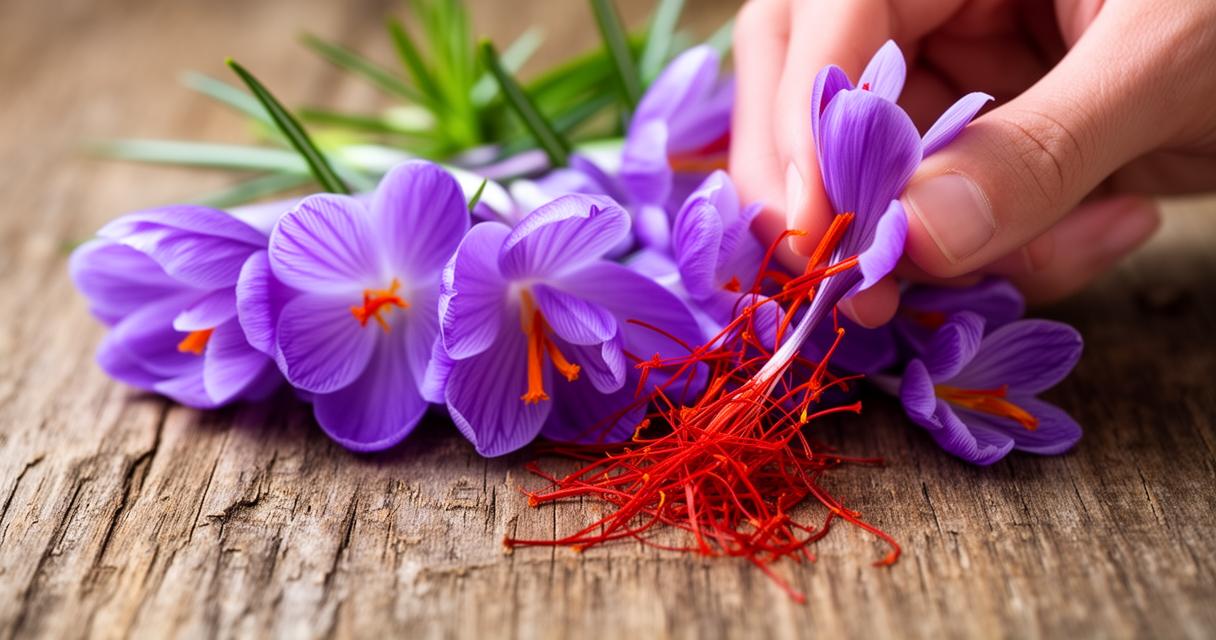
When autumn arrives, the saffron flowers emerge in a spectacular display of purple blooms, each cradling three vivid red threads. This fleeting moment marks the beginning of one of the most labour-intensive harvests in agriculture. The process demands patience, care, and an unwavering commitment to quality, as the delicate stigmas must be gathered without damaging the flower or compromising the flavour of the final product. It is this meticulous attention to detail that contributes to saffron's reputation as one of the most expensive spices in the world.
Hand-Picking the Vivid Red Threads with Care
Harvesting saffron is an art form that has been passed down through generations. Each flower must be picked by hand, often in the early morning when the blooms are at their freshest. The stigmas are then carefully separated from the petals and stamens, a task that requires both skill and concentration. It takes approximately 75,000 blossoms to produce just one pound of saffron spice, a staggering number that underscores the dedication of those who tend to these crops. The vivid red threads are prized not only for their intense colour but also for the unique compounds they contain, such as crocin and safranal, which contribute to the spice's distinctive aroma and potential health benefits.
Labour-intensive methods that preserve quality and flavour
The labour-intensive nature of saffron harvesting is a testament to the value placed on quality over quantity. Unlike many agricultural products that can be mechanised, saffron requires the human touch to ensure that each stigma is collected intact and free from damage. This careful handling preserves the delicate flavour and potent antioxidants that make saffron so sought after in both cooking and medicine. Once gathered, the stigmas are gently dried to concentrate their colour and flavour, transforming them into the deep red strands that signal premium quality. This dedication to preserving the integrity of the spice is what allows saffron to maintain its status as red gold, a luxury ingredient that supports both culinary excellence and wellbeing.
Organic Saffron Production: Secrets to Healthy Flowering and Resilience
For those committed to organic saffron production, understanding the plant's natural rhythms is paramount. Crocus sativus is a hardy species, capable of withstanding challenging conditions when given the proper care. The secrets to healthy flowering lie in respecting the dormancy periods, managing temperature fluctuations, and enriching the soil through sustainable practices. These methods not only yield a superior product but also support the long-term health of the land.
Understanding dormancy periods and temperature resistance
Dormancy is a crucial phase in the life cycle of saffron. During this period, the corms rest beneath the soil, conserving energy and preparing for the next growing season. Organic growers pay close attention to temperature fluctuations, as the plant requires a period of cooler weather to break dormancy and trigger flowering. This natural resilience allows Crocus sativus to thrive in diverse climates, from the arid regions of the Middle East to the temperate zones of France. By working with these natural cycles rather than against them, organic farmers can cultivate saffron that is both robust and rich in the beneficial compounds like crocin and safranal, which contribute to its antioxidant properties and potential to enhance memory and mood.
Companion Planting with Alfalfa and Apple to Enrich the Soil
Companion planting is a cornerstone of organic saffron cultivation. Alfalfa and apple are often chosen as partners for Crocus sativus because they help to improve soil structure and provide essential nutrients as they break down. Alfalfa, with its deep root system, brings nitrogen and other minerals to the surface, enriching the earth and supporting the health of the saffron corms. Apple trees, when planted nearby, contribute organic matter through fallen leaves and fruit, which decompose and release nutrients back into the soil. This symbiotic relationship not only enhances the vitality of the saffron plants but also promotes a balanced ecosystem that can resist pests and diseases naturally. By embracing these sustainable practices, organic producers ensure that their saffron is not only of the highest quality but also cultivated in harmony with the environment, offering a product that truly supports both health and wellbeing.