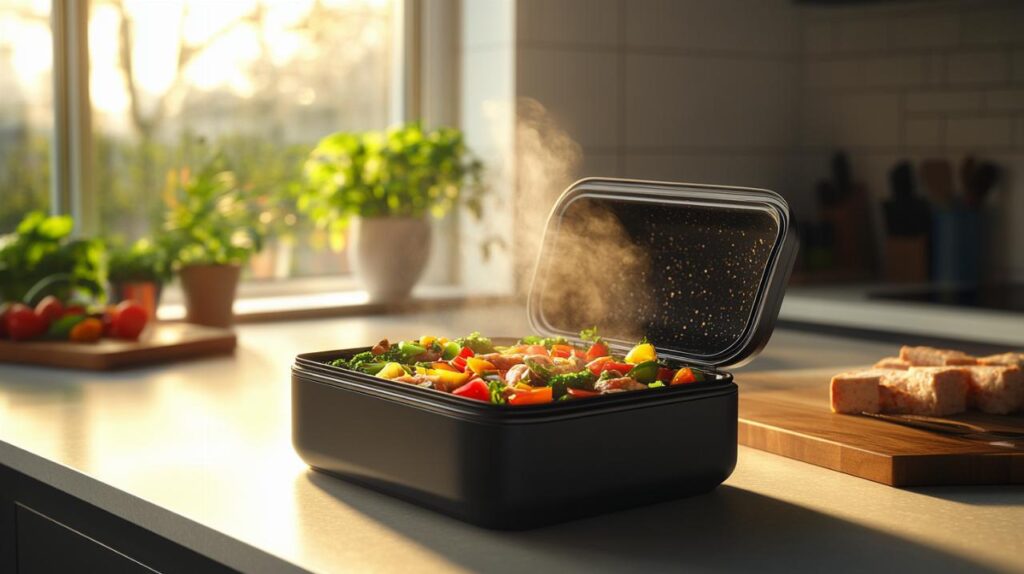
For those constantly on the move, whether commuting to the office, embarking on a camping adventure, or working outdoors, the challenge of enjoying a hot, home-cooked meal often feels insurmountable. The quest for a practical solution has given rise to an innovative category of portable meal warmers that promise to deliver steaming sustenance without reliance on traditional microwaves or canteen facilities. These clever devices are transforming how we think about packed lunches, offering the comfort of a warm dinner at any location.
How modern portable meal warmers actually work
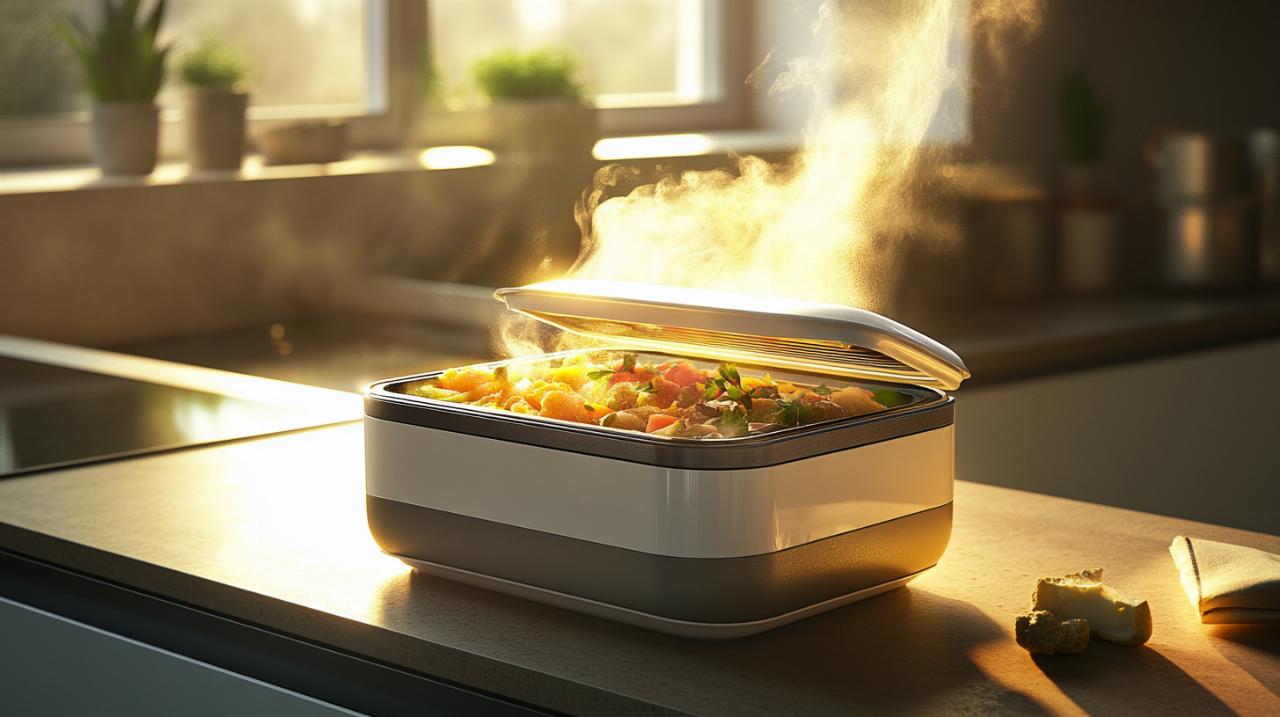
The fundamental principle behind electric lunchboxes revolves around controlled heating elements that gently warm your food to a safe and enjoyable temperature. Unlike conventional microwaves that bombard meals with radiation, these portable devices use direct contact heating to gradually raise the temperature of your meal. The interior compartments, typically constructed from food-grade stainless steel or heat-resistant plastic, house an integrated heating plate or coil that transfers warmth evenly throughout the container. This approach ensures that your chilli and rice or leftover pasta heats thoroughly without creating cold spots or overheating the edges.
The science behind keeping your dinner warm anywhere
The technology employed in these meal warmers varies considerably across different price points and manufacturers. Basic models connect directly to a power source, such as a car's twelve-volt outlet or a standard mains socket, and operate on a simple on-off mechanism. More sophisticated versions incorporate battery-powered systems that eliminate the need for cables during the heating process, offering genuine portability. The most advanced options, such as those developed by Swiss startups, integrate mobile app connectivity that allows users to preset temperatures ranging from fifty-five to eighty-five degrees Celsius and schedule preheating cycles. These smart systems ensure your meal reaches precisely the right temperature, whether you prefer gentle warming or a piping hot serving. The heating duration typically spans between fifteen to thirty minutes, depending on the initial temperature of your food and the power output of the device.
Safety Features and Energy Efficiency in Contemporary Models
Manufacturers have prioritised safety in the design of modern portable heating solutions. Automatic shut-off mechanisms prevent overheating, while insulated exteriors ensure the outer casing remains cool enough to handle during operation. Many models now feature temperature sensors that monitor the internal environment and adjust power delivery accordingly, maintaining food at safe consumption levels as recommended by organisations such as the USDA, which advises reheating leftovers to at least one hundred and sixty-five degrees Fahrenheit. Energy efficiency has also improved dramatically, with cordless versions incorporating rechargeable lithium batteries that can be topped up via USB-C charging cords, though users should note that charging times can extend to seven hours for a full cycle. Battery capacity remains a consideration, with some premium devices managing only one or two heating cycles per charge, meaning those planning extended outdoor excursions may need to factor in recharging opportunities.
What you'll pay for quality portable food heating solutions
The market for portable meal warmers spans a remarkably broad spectrum, catering to various budgets and requirements. Entry-level models can be secured for as little as nineteen pounds, offering straightforward functionality without unnecessary embellishments. These budget-friendly options typically require a direct power connection and lack advanced features, but they can still deliver surprisingly effective results for those seeking a basic heating solution. At the opposite end of the scale, premium devices command prices exceeding two hundred and fifty dollars, though sales and promotional periods can reduce this to around one hundred and fifty dollars. These top-tier models justify their elevated cost through sophisticated app control, extended temperature ranges, and superior build quality, though prospective buyers should carefully assess whether such features align with their actual usage patterns.
Entry-level versus premium options: finding your sweet spot
Mid-range offerings occupy a sensible middle ground, with prices clustering around ninety-six pounds for models that incorporate battery power, protective carry cases, and additional conveniences such as phone charging capabilities. These intermediate solutions often represent the optimal balance between functionality and affordability for regular users who require flexibility beyond what a basic model provides but who cannot justify the expense of flagship products. Product testing conducted by reviewers such as Barry Lewis has revealed unexpected performance variations across different price brackets, with some economical models outperforming their more expensive counterparts in practical scenarios. The Travelisimo Electric Lunchbox, despite its modest cost, proved remarkably capable in heating trials, while the GameXop Cordless Electric Lunchbox offered versatility that appealed to users juggling multiple devices. Meanwhile, the HeatsBox Go, though technologically impressive with its app-controlled preheating launched by a Swiss startup in two thousand and nineteen, faced criticism regarding its battery limitations, managing only a single meal heating on a full charge despite weighing approximately three and a half pounds without food.
Long-Term Value and Running Costs to Consider
Beyond the initial purchase price, prospective buyers should evaluate ongoing operational expenses. Mains-powered units incur negligible electricity costs per use, whilst battery-operated versions require periodic recharging that contributes marginally to household energy consumption. The absence of included charging plugs in some premium packages, with only a USB-C cord provided, may necessitate additional expenditure for those lacking compatible adapters. Durability and build quality also factor into long-term value calculations, as well-constructed devices with robust seals and reliable heating elements will outlast cheaper alternatives that may degrade after months of daily use. For individuals with consistent access to workplace microwaves, the investment in a portable warmer may prove difficult to justify, but for those working outdoors, travelling extensively, or enjoying camping pursuits, the convenience can far outweigh the financial outlay.
Real user feedback: what buyers are saying about their purchases
Customer experiences with portable meal warmers paint a nuanced picture of satisfaction levels across different products and use cases. Reviews consistently highlight the transformative impact these devices have on daily routines, particularly for commuters who previously resigned themselves to cold sandwiches or expensive takeaway meals. The ability to enjoy home-prepared dishes at proper temperatures has garnered widespread appreciation, with many users expressing surprise at how significantly a warm meal improves their midday break. The portability factor receives frequent mention, as does the liberation from searching for microwave facilities in busy office kitchens or public spaces.
Common praise points from satisfied customers
Enthusiastic buyers frequently commend the ease of use that characterises most models, with intuitive controls and straightforward operation requiring minimal learning curves. The heat performance, particularly the even distribution that prevents partially cold meals, earns consistent approval. Users particularly value the versatility these devices offer, noting their utility not just for workplace lunches but also for road trips, outdoor work environments, and recreational activities. The capacity to maintain food at safe temperatures aligns with health-conscious consumers' priorities, whilst the microwave alternative appeals to those wary of radiation exposure or seeking gentler reheating methods that better preserve food texture and moisture. Products offering additional functionality, such as the ability to charge mobile phones, receive special recognition for their multitasking capabilities, enhancing their perceived value proposition.
Addressing the Most Frequent Concerns and Limitations
Critical feedback typically centres on battery life constraints, particularly for premium cordless models that promise mobility but deliver only single-use capacity between charges. The HeatsBox Go, despite its sophisticated app control and Swiss engineering pedigree, faces particular scrutiny for requiring seven hours of charging to facilitate just one meal heating, a ratio that many users find impractical for daily application. Heating duration also attracts mixed responses, with some customers finding thirty-minute warm-up periods inconvenient when hunger strikes, though advance planning mitigates this concern for most users. The price-to-performance relationship generates debate, with reviewers questioning whether flagship models genuinely deliver sufficient additional value to warrant their premium positioning. Some buyers report disappointment when budget options outperform costlier alternatives, prompting calls for more transparent performance specifications from manufacturers. Portability claims occasionally clash with reality, as certain models prove bulkier or heavier than anticipated, complicating transport in already crowded work bags. Finally, the necessity of pre-planning meals and ensuring proper food storage before heating represents a behavioural adjustment that some users struggle to incorporate into established routines, though most adapt within a few weeks of consistent use. The terms of use and sale that govern purchases, along with privacy notices associated with app-enabled devices, warrant careful consideration, as does the warranty coverage and customer support quality offered by different brands. Copyright protections and vendor affiliations, such as those with major retailers like Amazon, can influence availability and pricing structures, factors that savvy shoppers monitor when timing their purchases to coincide with promotional periods.