For those navigating the world of coeliac disease or simply embracing healthier alternatives, the prospect of creating stunning cakes that rival their wheat-based counterparts has never been more attainable. The journey into gluten-free baking opens doors to innovative techniques and unexpected flavour profiles, transforming what was once considered a limitation into an opportunity for culinary creativity. With the right approach and understanding of alternative ingredients, anyone can produce memorable desserts that delight both the eye and the palate, proving that dietary requirements need not compromise on taste or presentation.
Mastering alternative flours for perfectly moist gluten-free bakes
The foundation of any exceptional cake lies in the careful selection and combination of flours, and this principle becomes even more critical when working without wheat. Alternative flours bring their own distinct characteristics to the mixing bowl, each contributing unique textures and flavours that, when properly balanced, create results that are remarkably tender and satisfying. Understanding how these ingredients interact allows bakers to move beyond simple substitutions and instead craft recipes that stand proudly on their own merits, offering moisture and structure that many assume impossible without gluten.
Almond and Hazelnut Flours: The Secret to Rich, Nutty Birthday Celebrations
Ground nuts have long been cherished in European baking traditions, and their natural oils make them particularly valuable when creating gluten-free treats. Almond flour, with its fine texture and subtle sweetness, forms the backbone of countless successful recipes, delivering a moist crumb that remains fresh for days. Hazelnut flour brings a deeper, more assertive character that pairs beautifully with chocolate and cream cheese frosting, making it an inspired choice for birthday celebrations where a showstopper presentation is desired. These nut-based flours require less binding than grain alternatives, and their inherent richness means that recipes can often reduce the amount of butter or other fats without sacrificing the luxurious mouthfeel that makes cakes so irresistible. When crafting a double chocolate creation or a coffee and walnut masterpiece, the nutty undertones enhance rather than compete with the primary flavours, creating layers of complexity that linger pleasantly on the tongue.
Rice and Coconut Flour Combinations: Achieving Tender Pastry and Dough Without Wheat
Rice flour offers a neutral canvas that allows other ingredients to shine, making it indispensable for those seeking versatility in their baking repertoire. Its fine grind contributes to a delicate texture when combined with starches, though it requires thoughtful partnering to avoid the grittiness that can occur when used alone. Coconut flour presents an entirely different challenge and opportunity, as its exceptional absorbency means that recipes must be carefully balanced with adequate liquid and binding agents. When these two are combined with care, the results can be remarkably tender, producing pastry suitable for everything from Bakewell traybakes to delicate muffins. The key lies in understanding the ratios and not attempting direct substitutions from conventional recipes, a lesson that many learn through trial and experimentation. Becky Excell, whose Sunday Times bestselling approach has earned her recognition from figures such as Nigella Lawson, demonstrates that success with these flours comes from respecting their individual properties rather than forcing them into moulds designed for wheat.
Decadent Chocolate and Fruit-Filled Recipes for Every Occasion
The marriage of chocolate and fruit creates some of the most memorable flavour combinations in baking, and gluten-free recipes are no exception to this delicious rule. Whether crafting an elegant dessert for a special occasion or preparing a comforting traybake for afternoon tea, these pairings offer endless possibilities for creativity. The natural sugars in fruits complement the richness of cocoa and cream, creating balanced desserts that satisfy without overwhelming the senses, whilst the moisture from fruits helps maintain the tender texture that gluten-free bakes sometimes struggle to achieve.
Double Chocolate Treats with Cream Cheese Frosting: A Showstopper for Celebrations
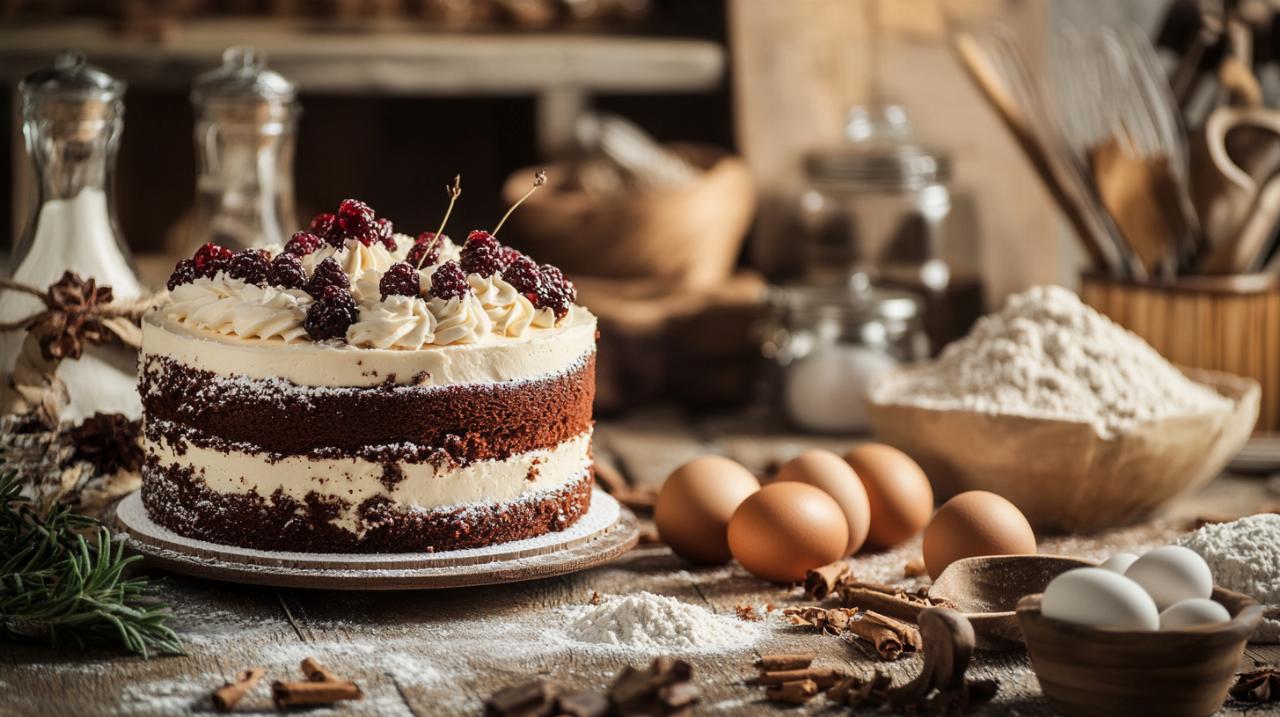
Few combinations command attention quite like the deep intensity of chocolate paired with the tangy smoothness of cream cheese frosting. A properly executed chocolate cake, whether presented as a towering layer creation or a generous traybake, becomes the centrepiece of any gathering, its dark crumb promising indulgence with every slice. The secret to achieving that coveted moist texture lies not only in the choice of flour but also in the careful balance of fats and liquids, with some recipes incorporating unexpected ingredients such as beetroot or courgette to enhance moisture whilst adding nutritional value. Triple chocolate cupcakes take this concept further, combining cocoa powder, melted chocolate, and chocolate chips to create multiple layers of flavour that develop and change as they meet the palate. For birthday celebrations or special occasions, these chocolate masterpieces can be elevated with thoughtful decoration, though as Georgina from Merseyside wisely notes, simplicity often proves more effective than overly elaborate designs that require specialist equipment. The freezing technique she recommends proves particularly valuable when working with chocolate cakes, as the firmer texture allows for cleaner carving and more precise decoration without the crumbling that can plague gluten-free bakes.
Apple and seasonal fruit infusions: natural sweetness that complements butter-free batters
The humble apple brings more than just flavour to the mixing bowl, contributing moisture and natural sugars that reduce the need for refined alternatives whilst adding depth to the overall taste profile. Whether grated into a spiced loaf reminiscent of autumn afternoons or layered into a pineapple upside down cake that recalls nostalgic school dinner desserts, fruits transform simple batters into something memorable. Seasonal variations allow bakers to celebrate the changing year, with raspberries and coconut creating bright summer traybakes whilst marmalade offers a sharp contrast in citrus-forward loaf cakes. These fruit-based recipes often work beautifully in dairy-free and low FODMAP adaptations, making them inclusive options for gatherings where dietary requirements vary. The natural pectin in many fruits also aids in binding, a particularly valuable property when creating cookies or pastry elements that might otherwise lack structure. Sticky toffee pudding demonstrates this principle perfectly, with dates providing not only sweetness but also the dense, moist texture that defines this beloved dessert, proving that fruit can play a supporting role just as effectively as starring in lighter, fresher creations.
Essential Techniques and Natural Ingredients for Gluten-Free Success
Behind every successful gluten-free bake lies a foundation of technique and understanding that goes beyond simply following a recipe. The absence of gluten's structural network means that bakers must rely on alternative methods and ingredients to achieve the rise, texture, and cohesion that wheat provides almost effortlessly. Mastering these approaches transforms baking from a frustrating exercise in disappointment into a rewarding practice where consistent results become the norm rather than the exception.
Binding Agents and Natural Substitutes: Moving Beyond Traditional Butter and Cookies
Gluten's binding properties must be replaced through thoughtful ingredient selection, with options ranging from commercial xanthan gum to more natural alternatives such as ground flaxseed or chia seeds. These additions work by creating structure through different mechanisms, with some forming gels that trap air and moisture whilst others provide physical networks that mimic gluten's elasticity. Eggs play a particularly crucial role in gluten-free baking, with their proteins contributing to both structure and richness, though vegan alternatives using aquafaba or commercial egg replacers can achieve remarkably similar results when properly deployed. The role of fats extends beyond mere richness, as they contribute to tenderness and help prevent the dryness that can afflict alternative flour bakes. Whilst butter remains a favourite for its flavour contribution, recipes from bloggers such as those featured on the Coeliac Sloth blog demonstrate that coconut oil, olive oil, and even yoghurt can serve effectively depending on the desired outcome. Understanding how these various elements interact allows bakers to adapt recipes to suit dietary requirements without compromising on quality, creating treats that cater to dairy-free, IBS-friendly, and other specific needs whilst maintaining the standards expected of a Victoria sponge or red velvet cake.
Temperature Control and Mixing Methods: Ensuring Moist Textures in Every Slice
The manner in which ingredients are combined and the temperatures at which they are baked profoundly affect the final outcome, with gluten-free recipes often requiring more precise attention than their conventional counterparts. Overmixing proves less problematic without gluten development to worry about, yet the opposite extreme of insufficient mixing can leave pockets of dry flour that create unpleasant textures. Many successful recipes advocate for the one-bowl method, which simplifies the process whilst ensuring thorough incorporation of ingredients, as demonstrated in popular one-bowl chocolate cake approaches that deliver consistent results with minimal fuss. Oven temperature requires careful calibration, as alternative flours can brown more quickly than wheat whilst the interior remains undercooked, leading many experienced bakers to recommend slightly lower temperatures and longer baking times. The toothpick test becomes especially important, as visual cues alone can mislead, with some cakes appearing done on the surface whilst remaining gummy within. Storage methods also impact the final eating experience, with many gluten-free cakes actually improving after a day as flavours meld and moisture distributes more evenly throughout the crumb. Trusted recipes from sources such as Doves Farm or collections like those offered by GlutenFreegan provide reliable starting points, though as Georgina wisely advises, embracing the learning curve and not fearing mistakes ultimately leads to the greatest growth. The availability of pre-made mixes offers convenience without shame, serving as both time-savers and educational tools that demonstrate the textures and flavours achievable before venturing into developing personal recipes. Whether creating scones for afternoon tea, lemon drizzle traybakes for casual gatherings, or elaborate Jamaica ginger cakes that showcase advanced technique, the principles remain constant, built on understanding ingredients, respecting their properties, and maintaining the joy that should accompany every session in the kitchen.