Moroccan patisserie holds a special place in the hearts of those who appreciate delicate flavours and intricate craftsmanship. Among the most celebrated treats is the Kaab el Ghazal, a crescent-shaped pastry that captures the essence of North African culinary tradition. With its tender dough encasing a fragrant almond filling, this delicacy has travelled from royal courts to everyday tables, becoming a symbol of hospitality and celebration. Whether enjoyed in the bustling medinas of Marrakech or the historic streets of Fez, these almond-filled crescents offer a taste of Morocco's rich heritage.
The Heritage and History of Kaab el Ghazal in Moroccan Cuisine
Origins of Gazelle Horns: From Royal Courts to Everyday Tables
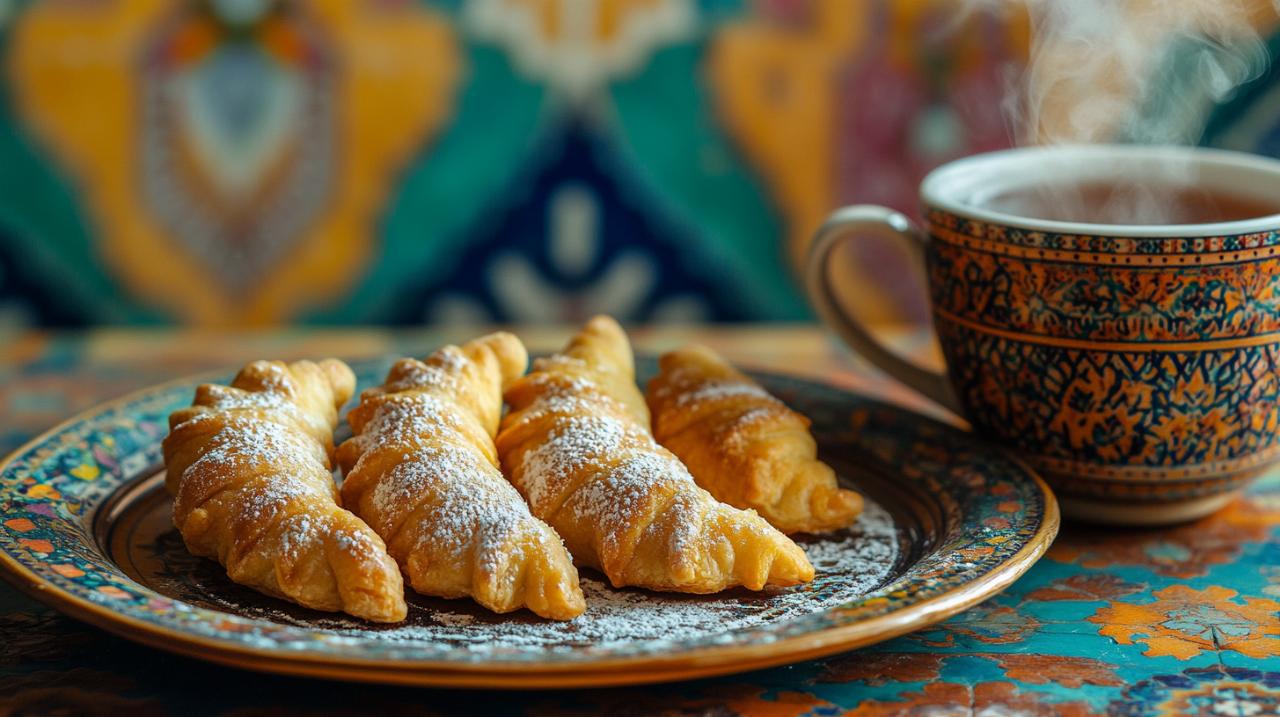
The story of Kaab el Ghazal, often referred to as Gazelle Horns or Cornes de Gazelle, is steeped in tradition and romance. These crescent-shaped Moroccan almond biscuits are believed to have been created centuries ago, with their name inspired by the graceful curve of a gazelle's horn. The pastry's delicate shape and refined flavour made it a favourite in the palaces of Moroccan sultans, where it was served to guests as a symbol of refinement and generosity. Over time, the recipe spread beyond the walls of royal courts and became a staple in households across the country. Today, Kaab el Ghazal is a quintessential element of Moroccan pastry culture, appearing at celebrations such as Eid, weddings, and tea time rituals. The pastry's enduring popularity reflects its versatility and the universal appeal of its simple yet exquisite ingredients.
Regional variations: marrakech versus fez preparations
While the core elements of Kaab el Ghazal remain consistent, subtle regional differences give each variation its own character. In Marrakech, the pastries are often prepared with a slightly thicker dough and a more pronounced sweetness in the almond filling, reflecting the city's preference for bold flavours. The use of orange blossom water is generous, lending a heady aroma that perfumes the entire pastry. In contrast, the Fez interpretation tends to favour a lighter, thinner dough that allows the almond paste to take centre stage. The filling in Fez is sometimes enhanced with a touch of cinnamon and a hint of butter, creating a smoother, more refined texture. These regional nuances demonstrate the adaptability of traditional Moroccan recipes and the pride each city takes in its culinary heritage. Whether you prefer the robust flavours of Marrakech or the delicate balance of Fez, both styles honour the essence of this beloved treat.
Essential Ingredients and Techniques for Authentic Gazelle Horns
Selecting Quality Almonds and Orange Blossom Water for Proper Flavour
The foundation of an authentic Kaab el Ghazal lies in the quality of its ingredients. Almonds are the star of the filling, and selecting fresh, finely ground almond powder is essential for achieving the right texture and flavour. The almonds should be neither too oily nor too dry, as this balance ensures the filling holds together without becoming greasy. Sugar is combined with the almond powder to create a sweet base, while cinnamon adds a warm, aromatic note that complements the nuttiness of the almonds. Orange blossom water is perhaps the most distinctive ingredient, imparting a floral fragrance that defines Moroccan pastries. This ingredient should be used judiciously, as its potent flavour can easily overpower the other elements. When sourced from reputable suppliers, orange blossom water elevates the pastry from ordinary to extraordinary. Some recipes also call for a small amount of gum Arabic powder, which helps bind the filling and gives it a slightly chewy consistency, though this is optional depending on personal preference.
Mastering the Delicate Dough: Tips for Achieving the Perfect Texture
Creating the dough for Kaab el Ghazal requires a gentle touch and patience. The process begins with plain flour, melted butter, and a pinch of salt, which are combined until the mixture resembles fine breadcrumbs. Gradually adding orange blossom water helps bring the dough together, and it's important to avoid overworking it, as this can result in a tough, unyielding pastry. Once the dough reaches a smooth, pliable consistency, it should be wrapped in cling film and allowed to rest for at least thirty minutes. This resting period allows the gluten to relax, making the dough easier to roll out thinly. When shaping the pastries, the dough should be rolled to an even thickness and cut into circles. A small log of almond filling is placed on one side of each circle before the dough is folded over and sealed, creating the characteristic crescent shape. The edges must be pressed firmly to prevent the filling from escaping during baking. Gently curving each pastry to mimic the horn of a gazelle adds an elegant finishing touch. Baking at a moderate temperature, around one hundred and sixty degrees Celsius, ensures the pastries turn a light golden colour without browning too much, preserving their delicate appearance and tender texture.
Serving suggestions and pairing your moroccan pastries
Traditional Mint Tea and Other Beverages to Complement Your Baking
In Moroccan culture, no serving of Kaab el Ghazal is complete without a steaming glass of mint tea. The refreshing, slightly sweet tea provides a perfect counterbalance to the rich almond filling and buttery dough of the pastries. The ritual of serving tea and sweets is deeply ingrained in Moroccan hospitality, and offering Gazelle Horns to guests is a gesture of warmth and respect. Beyond mint tea, these pastries pair wonderfully with strong black coffee or even a glass of cold milk, each beverage highlighting different aspects of the pastry's flavour profile. For those who prefer a more contemporary twist, a light herbal infusion or a spiced chai can also complement the delicate sweetness of the almond filling. The key is to choose a drink that enhances rather than competes with the pastry's nuanced flavours, allowing the orange blossom water and cinnamon to shine through.
Occasions and Celebrations: When to Serve Gazelle Horns
Kaab el Ghazal holds a special place at celebrations and gatherings throughout Morocco. These crescent-shaped Moroccan pastries are a staple at Eid festivities, where families come together to share food and mark the end of Ramadan. Weddings are another occasion where Gazelle Horns are prominently featured, often presented alongside an array of other traditional sweets as part of the celebration's lavish spread. Beyond these major events, the pastries are a common sight at tea time, where they add a touch of elegance to everyday moments. Their relatively long shelf life, lasting up to two weeks when stored in an airtight container, makes them a practical choice for preparing in advance. Some bakers also experiment with optional toppings such as sesame seeds, shaved almonds, or a chocolate dip, adding a modern twist to this timeless treat. Whether dusted with icing sugar or left plain, Kaab el Ghazal remains a versatile and beloved pastry that brings people together, embodying the spirit of Moroccan hospitality and culinary artistry.