Nestled between the rolling green hills of southern France and the rugged Atlantic coastline of northern Spain, the Basque Country has quietly become one of the most exciting culinary destinations on the planet. This is a place where ancient traditions and cutting-edge innovation sit side by side on the same plate, where a humble pepper can command the same reverence as a Michelin star, and where the kitchen is treated as both a laboratory and a sacred family space. From the bustling markets of San Sebastián to the tiny farmhouses of the interior, Basque cuisine tells a story of land, sea, and community that has captivated food lovers across the globe.
In brief
- The Basque Country blends ancient culinary traditions with modern innovation, bridging the gap between humble home cooking and Michelin-starred gastronomy.
- The region's foundational ingredients include the Espelette pepper, protected Bayonne ham, and Ossau-Iraty sheep's milk cheese, reflecting a strong connection to the land.
- Traditional dishes like axoa, Poulet Basquaise, and various seafood recipes highlight the Basque talent for elevating simple, seasonal ingredients into hearty, community-focused meals.
- The 'New Basque Cuisine' movement, pioneered in the 1970s, transformed local staples into experimental culinary art, establishing San Sebastián as a world-class gastronomic capital.
- Regional wines, such as the robust Irouléguy and the crisp, effervescent Txakoli, are essential companions that pair specifically with the area's land-based stews and seafood.
- Basque culinary culture is deeply rooted in communal values like 'auzolan,' where chefs emphasize cooperation, knowledge-sharing, and a deep respect for local producers.
The Trinity of Basque Flavours: Espelette Pepper, Bayonne Ham, and Ossau-Iraty Cheese
Espelette pepper: the jewel of basque spice
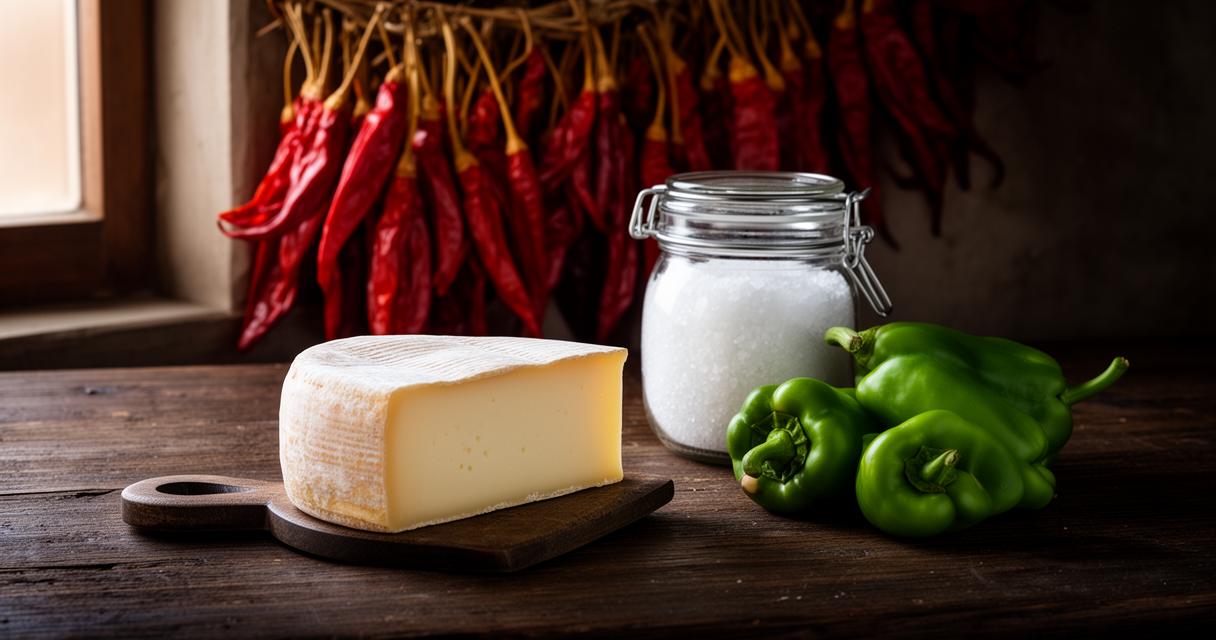
No conversation about Basque cooking can begin without mentioning the Espelette pepper, a deep red spice grown in the small French Basque village of the same name. Unlike the fiery chillies found elsewhere, this pepper offers a gentle warmth with a fruity, almost smoky undertone that enhances rather than overwhelms a dish. It appears everywhere from scrambled eggs to charcuterie boards, and its presence in a recipe is often a sign of authenticity. Farmers still dry the peppers on strings hung outside their homes, a sight that has become as iconic to the region as the mountains themselves.
Bayonne Ham and Ossau-Iraty: The Protected Heritage of Basque Charcuterie and Dairy
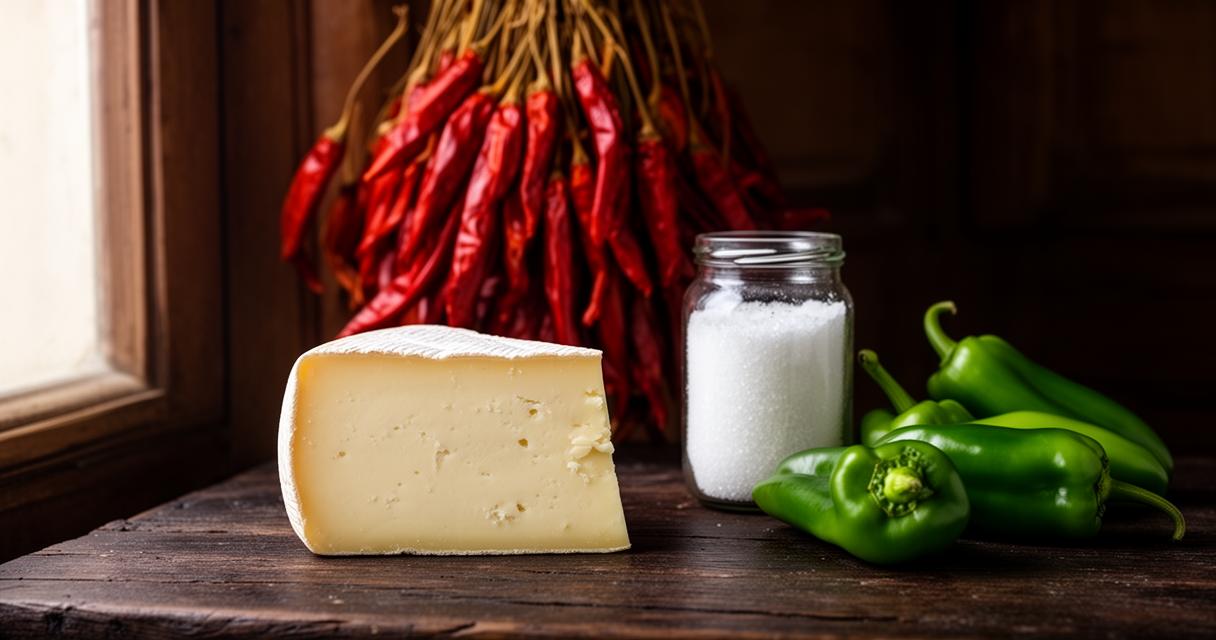
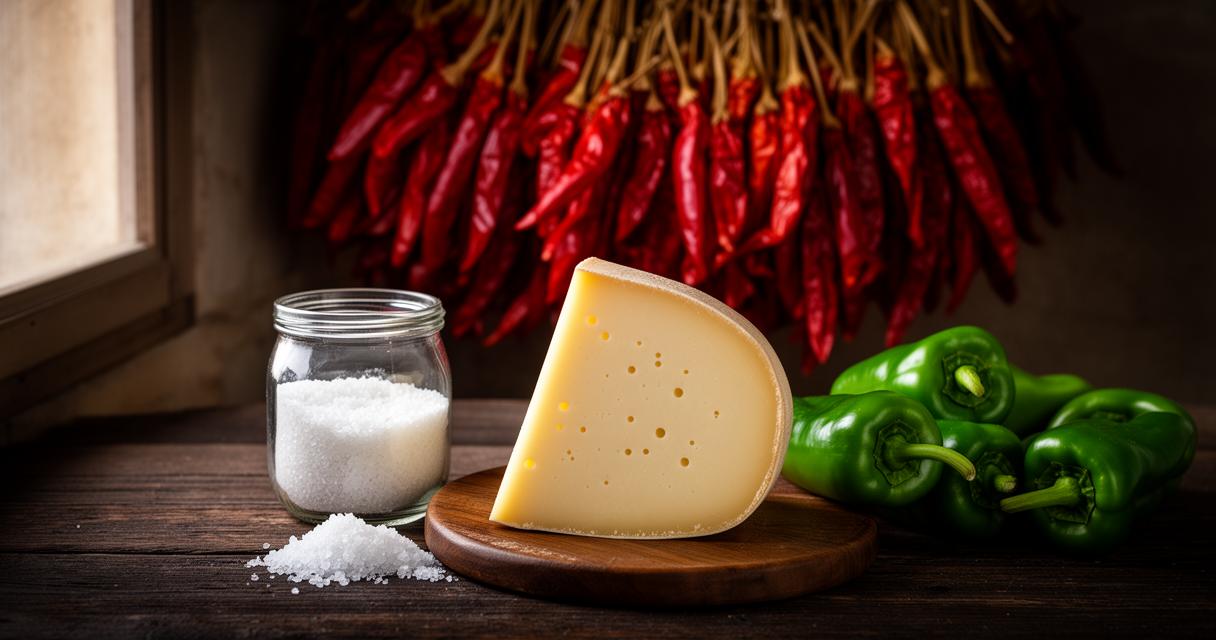
Alongside the pepper stands Bayonne ham, a cured pork product with a protected geographical status that speaks to centuries of careful salting and ageing techniques passed down through generations. Its delicate saltiness pairs beautifully with the region's other great treasure, Ossau-Iraty, a sheep's milk cheese produced in the mountainous areas where livestock farming has always been central to daily life. Together with foie gras, these products form the backbone of Basque charcuterie boards and reflect a culture deeply rooted in respect for the land and its animals. Livestock farming and marine activities have long shaped the region's identity, and these products remain living proof of that dual heritage.
Traditional Basque Dishes: From Axoa to Poulet Basquaise and Beyond
Axoa: the rustic heart of basque home cooking
Move from the pantry to the stovetop and you will find axoa, a rustic stew traditionally made with veal or lamb, slow-cooked with onions, green peppers, and a generous pinch of Espelette pepper. This dish captures the soul of Basque home cooking: unpretentious, hearty, and built for sharing around a family table. It sits comfortably alongside other classics such as cod à la biscaye, the fragrant ttoro fish soup, and delicately prepared chipirons, all of which showcase the region's deep connection to both farmland and sea.
Poulet Basquaise: A Symphony of Tomatoes, Peppers, and Regional Character
Perhaps no dish better represents the marriage of French and Spanish influences than Poulet Basquaise, a vibrant chicken dish simmered with tomatoes, peppers, and onions until the flavours meld into something greater than their parts. Closely related to piperade, the iconic vegetable base made from tomatoes, onions, and peppers seasoned with Espelette pepper, this dish demonstrates the Basque talent for transforming simple, seasonal ingredients into something memorable. And for dessert, the beloved Basque cake, with its crisp exterior and soft, custard or black cherry filling, offers a sweet finale that feels both comforting and distinctly regional.
Terroir to Table: Local Ingredients and Wine Pairings That Define Basque Gastronomy
The Role of Potatoes, Tomatoes, and Fresh Produce in Basque Kitchens
Basque cooking has always leaned heavily on what the land provides, and tomatoes and potatoes remain staples in countless recipes, from stews to simple side dishes. This devotion to seasonality and locality is not a recent trend but a long-standing philosophy, one that modern chefs such as Josean Alija at the Nerua restaurant inside the Guggenheim Bilbao have elevated to an art form. Alija's approach, which involves analysing dozens of broths daily to refine flavour and texture, reflects a broader movement within New Basque Cuisine that began in the 1970s. Inspired by French Nouvelle Cuisine and pioneered by chefs including Juan Mari Arzak and Pedro Subijana, who drew ideas from Paul Bocuse's kitchen in Lyon, this movement transformed Basque cooking into a culinary laboratory where tradition and experimentation coexist. Ingredients once considered humble, such as lágrima peas and kokotxas, the delicate throat meat of hake or cod, are now celebrated as delicacies on tasting menus across San Sebastián, a city that famously ties with Kyoto for the most Michelin stars per capita anywhere in the world.
Regional Wines: Irouléguy and Txakoli as Perfect Companions to Basque Fare
No Basque meal feels complete without a glass of something local, and two wines in particular stand out as regional treasures. Irouléguy, produced in the French Basque hills, offers a robust character that pairs wonderfully with hearty stews like axoa, while Txakoli, the crisp, slightly effervescent white wine from the Spanish side, complements seafood dishes and salt cod beautifully. Salt cod itself carries enormous historical weight, having once been a vital trade good across Europe and the Americas, and it remains a cherished ingredient in Basque kitchens today. What makes this culinary culture so compelling is not simply the food itself but the values behind it, including the auzolan tradition of communal work and cooperation, echoed in modern structures such as the Mondragon cooperative founded in 1956. Basque chefs have long distinguished themselves by sharing knowledge rather than guarding secrets, viewing themselves as cultural ambassadors with a responsibility to their communities and local producers. Writers such as Marti Buckley have helped bring these stories to wider audiences, ensuring that the rich narrative of Basque gastronomy, with its blend of heritage, innovation, and social responsibility, continues to inspire food lovers far beyond the region's own borders.