Parsley has graced kitchen gardens and culinary traditions for over two millennia, and its journey from the sun-drenched shores of the Mediterranean to modern homes across the globe speaks volumes about its enduring appeal. Whilst many people still regard this vibrant herb merely as a decorative afterthought, the reality is that keeping a pot of fresh parsley within arm's reach of your cooker can transform the way you approach everyday cooking. Its clean, peppery and earthy notes bring dishes to life, and its rich nutritional profile adds another layer of value that extends well beyond aesthetics.
The Culinary and Aesthetic Benefits of Growing Parsley Indoors
Elevating your dishes with fresh, aromatic flavours
Flat-leaf parsley, often referred to as Italian parsley, carries a robust and grassy flavour that stands up beautifully to heat and bold ingredients. Unlike its curly cousin, which tends to be milder and better suited as a garnish, the flat-leaf variety offers depth and character that can elevate everything from marinades and sauces to soups and stews. Food writers and chefs alike, including those who have explored Turkish and Middle Eastern cuisines extensively, recommend this particular type for its ability to infuse dishes with a fresh, herbal complexity that feels both timeless and contemporary.
Having a living pot of parsley in your kitchen means that you can snip off a handful of leaves whenever inspiration strikes. Whether you are preparing a vibrant tabbouleh salad, adding a final flourish to a rich casserole, or experimenting with homemade sauces, the immediate access to fresh herbs makes a tangible difference in taste and aroma. The stems, often overlooked, can also be saved and used as aromatics in stocks, ensuring that no part of the plant goes to waste. This approach not only maximises flavour but also encourages a more mindful and resourceful way of cooking.
Creating a Living Kitchen Garden for a Personal Touch
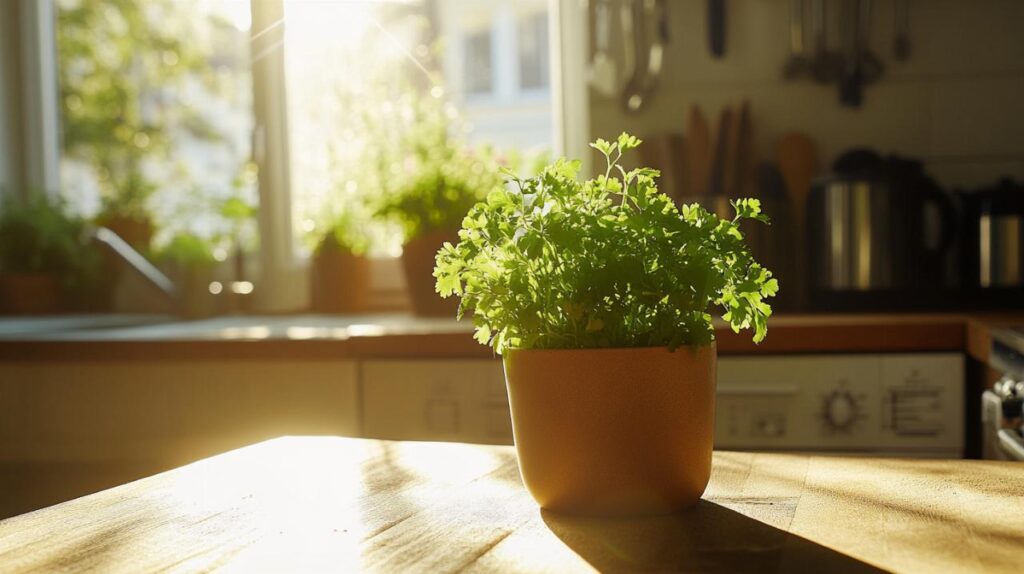
Beyond the practical benefits, cultivating parsley indoors adds a touch of greenery and life to your cooking space. A well-tended pot on a windowsill or countertop becomes a small indoor garden that connects you to the rhythms of growth and harvest, even in the heart of a bustling city. The visual appeal of lush, verdant leaves can brighten up any kitchen, and the act of tending to a plant, however simple, offers a rewarding hobby that complements your culinary pursuits.
Parsley is remarkably adaptable and can thrive in various types of containers, from simple plastic dishes to more decorative ceramic pots. This flexibility means that you can choose a vessel that suits your aesthetic preferences and available space. The presence of fresh herbs in your home also serves as a gentle reminder of the pleasures of cooking with ingredients that are truly at their peak, harvested just moments before they land in your dish. This immediacy is something that dried herbs, no matter how high their quality, simply cannot replicate.
Year-round parsley: cultivation tips for indoor success
Choosing the Right Pot and Soil for Optimal Growth
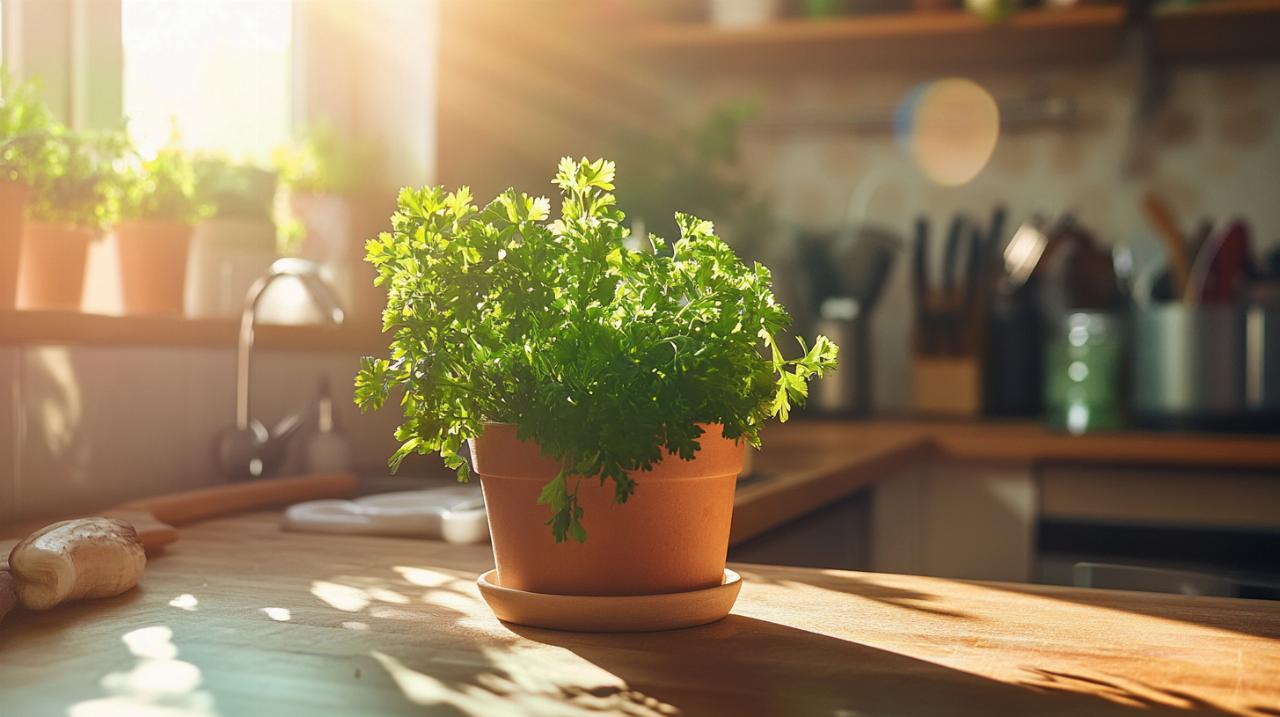
Starting your parsley journey requires little more than a suitable pot and well-draining soil. The key to success lies in ensuring that water does not accumulate around the roots, as parsley is susceptible to rot if left in soggy conditions. A container with drainage holes is essential, and pairing it with a quality potting mix that allows excess moisture to escape will set the foundation for healthy growth. Whether you opt for a single large pot or a cluster of smaller ones, the choice is yours and can be tailored to the available space and your personal preferences.
The beauty of growing parsley indoors is that it does not demand extravagant care or specialist equipment. A windowsill that receives plenty of natural light is often sufficient, and the plant will reward your attention with steady growth throughout the year. This resilience makes parsley an ideal herb for both novice gardeners and seasoned enthusiasts who want a reliable addition to their indoor greenery. The ability to enjoy fresh parsley even during the colder months, when outdoor gardens lie dormant, is one of the most compelling reasons to keep a pot indoors.
Light, Water, and Care Requirements for Thriving Parsley
Parsley thrives in bright, indirect sunlight, and positioning your pot near a south-facing window typically provides the ideal conditions. If natural light is limited, especially during the winter months, a simple grow light can supplement the plant's needs and ensure continuous growth. Watering should be consistent but not excessive, as the goal is to keep the soil moist without allowing it to become waterlogged. A good rule of thumb is to check the top layer of soil and water when it feels dry to the touch.
Once your parsley plant is established, the maintenance required is minimal. Regular harvesting of the outer leaves encourages the plant to produce new growth, creating a sustainable cycle that can provide fresh herbs for many months. This process of selective harvesting not only prolongs the life of the plant but also ensures that you are always using the freshest and most flavourful leaves. With a little patience and attention, your potted parsley will become a dependable source of culinary inspiration that enhances your cooking throughout the year.
From Seed to Harvest: Enjoying the Rewards of Homegrown Parsley
Simple Steps to Germinate and Establish Your Parsley Plants
Growing parsley from seed is a straightforward and enjoyable process that begins with sowing the seeds in well-draining soil and keeping them consistently moist until germination occurs. This initial stage can take a couple of weeks, and patience is essential as the seeds take their time to sprout. Once the seedlings emerge, they require steady light and regular watering to establish strong roots and develop into robust plants. Thinning out the weaker seedlings ensures that the remaining plants have ample space and resources to thrive.
As the plants mature, you will notice the characteristic leaves beginning to form, and before long, you will have a flourishing herb ready for harvest. The satisfaction of watching your parsley grow from a tiny seed to a productive plant is one of the many joys of indoor gardening. This hands-on experience not only deepens your appreciation for fresh herbs but also instils a sense of accomplishment that enhances the pleasure of cooking with ingredients you have nurtured yourself.
Creative Uses for Fresh Parsley in Everyday Cooking
Fresh parsley is far more versatile than many people realise, and its applications extend well beyond the role of a simple garnish. In Turkish and Middle Eastern cuisines, for example, parsley is often used as a main ingredient in salads such as tabbouleh and Turkish shepherd salad, where its vibrant flavour takes centre stage. Adding a generous handful of chopped parsley to hot dishes just before serving infuses them with freshness and brightness, while frying the herb briefly in oil, a technique common in Iranian cooking, releases aromatic compounds that enrich sauces and stews.
Parsley can also be incorporated into meatballs, kebabs and vegetarian fritters, where it contributes both flavour and colour. Cold sauces benefit from its clean, peppery notes, and it can even serve as a substitute for rocket in wraps and on baked goods, offering a milder yet equally satisfying taste. The herb pairs beautifully with chilli flakes, dill, lemongrass, couscous and fish, making it a valuable companion in a wide range of recipes. Whether you are preparing a simple omelette, a complex marinade or a refreshing salad, fresh parsley has the power to elevate your dishes and bring a professional touch to your home cooking.
Beyond its culinary uses, parsley boasts an impressive nutritional profile that includes vitamins A, C and K, as well as essential minerals such as iron and potassium. Its antioxidant properties can help reduce inflammation and support the immune system, while its potential benefits for kidney function and digestion have been recognised for centuries. Some enthusiasts even use parsley to make a soothing tea that aids digestion and promotes overall wellness. This combination of flavour, nutrition and ease of cultivation makes potted parsley an indispensable asset in any kitchen, transforming it from a mere supporting herb into a true culinary essential.