The culinary landscape of Spain offers a treasure trove of flavours that have been lovingly passed down through generations, with each region contributing its own unique character to the national repertoire. From the sun-drenched coasts of Andalusia to the rugged mountains of Asturias, the country's diverse geography has shaped a gastronomic tradition that celebrates fresh, natural ingredients and the joy of sharing meals with loved ones. Whether you're seeking to recreate the vibrant atmosphere of a bustling tapas bar or the comforting warmth of a family gathering around a steaming pot of stew, these authentic dishes bring the essence of Spain directly into your kitchen.
Classic Tapas and Starters from Spain's Regional Kitchens
The tradition of tapas represents far more than simply small plates of food; it embodies a social ritual that brings people together in bars and homes across the Iberian Peninsula. These bite-sized offerings have evolved from simple slices of bread topped with cured meat into an extraordinary array of culinary creations, each region adding its own distinctive touch. The beauty of tapas lies in their versatility and accessibility, allowing home cooks to experiment with spanish cuisine traditional recipes that range from straightforward preparations to more elaborate compositions. Many of these dishes can be prepared in advance, making them ideal for entertaining whilst still allowing the host to enjoy the company of guests rather than being confined to the kitchen.
Patatas bravas and tortilla española: mastering spain's most beloved small plates
Few dishes capture the heart of Spanish home cooking quite like the tortilla española, a deceptively simple potato omelette that has achieved iconic status as arguably the nation's most cherished dish. The magic lies in achieving the perfect balance between tender, flavourful potatoes and fluffy eggs, with the exterior gaining a golden hue whilst the interior remains wonderfully moist. The technique requires patience and attention, slowly cooking sliced potatoes in olive oil until they soften without browning, then combining them with beaten eggs and cooking the mixture until it sets into a thick, satisfying cake. Some families add onions to their tortilla, sparking friendly debates about the authentic approach, though both versions claim devoted followers across the country.
Patatas bravas stands as another essential offering in any tapas selection, featuring crispy fried potato chunks served beneath a vibrant spicy tomato sauce. The dish takes its name from the fierce, bold flavour of the accompanying salsa brava, which typically combines tomatoes, paprika, and a touch of heat from cayenne or other chilli peppers. Many establishments also drizzle the potatoes with aioli, creating a delightful contrast between the cool, garlicky mayonnaise and the fiery tomato sauce. The key to exceptional patatas bravas lies in achieving potatoes that remain crispy on the outside whilst maintaining a fluffy interior, a goal often accomplished by parboiling the chunks before frying them until golden.
Regional Variations: From Andalusian Gazpacho to Galician Pulpo a la Gallega
The southern region of Andalusia has gifted the world with gazpacho, a refreshing cold soup that transforms ripe tomatoes, cucumbers, peppers, and bread into a silky, revitalising dish perfect for sweltering summer days. This vegetable-based creation requires no cooking whatsoever, instead relying on the quality of its raw ingredients and the skill of proper blending to achieve its characteristic smooth texture. Some variations include salmorejo, a thicker cousin from Córdoba that features a higher proportion of bread and is traditionally garnished with hard-boiled eggs and jamón. These chilled soups demonstrate the Spanish talent for creating sophisticated flavours from humble, readily available ingredients.
Moving northward to the windswept Atlantic coast of Galicia, pulpo a la gallega showcases the region's exceptional seafood prepared with characteristic simplicity. This dish features tender octopus that has been boiled until perfectly cooked, then sliced and served atop boiled potatoes with a generous drizzle of olive oil and a sprinkling of paprika and sea salt. The preparation might seem straightforward, yet it requires careful attention to ensure the octopus achieves the ideal texture without becoming rubbery. Traditionally cooked in copper pots and served on wooden plates, this dish exemplifies the Galician philosophy that outstanding ingredients need little embellishment to shine.
Hearty main courses: bringing spanish family traditions to your table
Spanish family meals have always centred around substantial dishes that bring everyone together, with recipes often simmering for hours to develop deep, complex flavours. These main courses reflect the agricultural and maritime heritage of different regions, transforming local produce and proteins into memorable feasts. Unlike the quick preparations of many tapas, these dishes demand time and patience, rewarding the cook with aromas that fill the home and create anticipation for the meal ahead. Many of these recipes have been refined over centuries, with each family adding their own touches whilst maintaining the essential character that defines these beloved classics.
Paella perfection: a step-by-step guide to valencia's iconic rice dish
The origins of paella trace back to the rice-growing regions surrounding Valencia, where farmers and labourers would prepare this one-pot meal over open fires using whatever ingredients were readily available. The traditional Valencian version features rabbit, chicken, and local beans cooked with short-grain rice that absorbs a flavourful broth infused with saffron. The distinctive wide, shallow pan allows the rice to spread in a thin layer, creating the prized socarrat, a caramelised crust that forms on the bottom and is considered the mark of a properly executed paella. Achieving this requires resisting the temptation to stir the rice once the liquid has been added, allowing it to cook undisturbed and develop that coveted crispy layer.
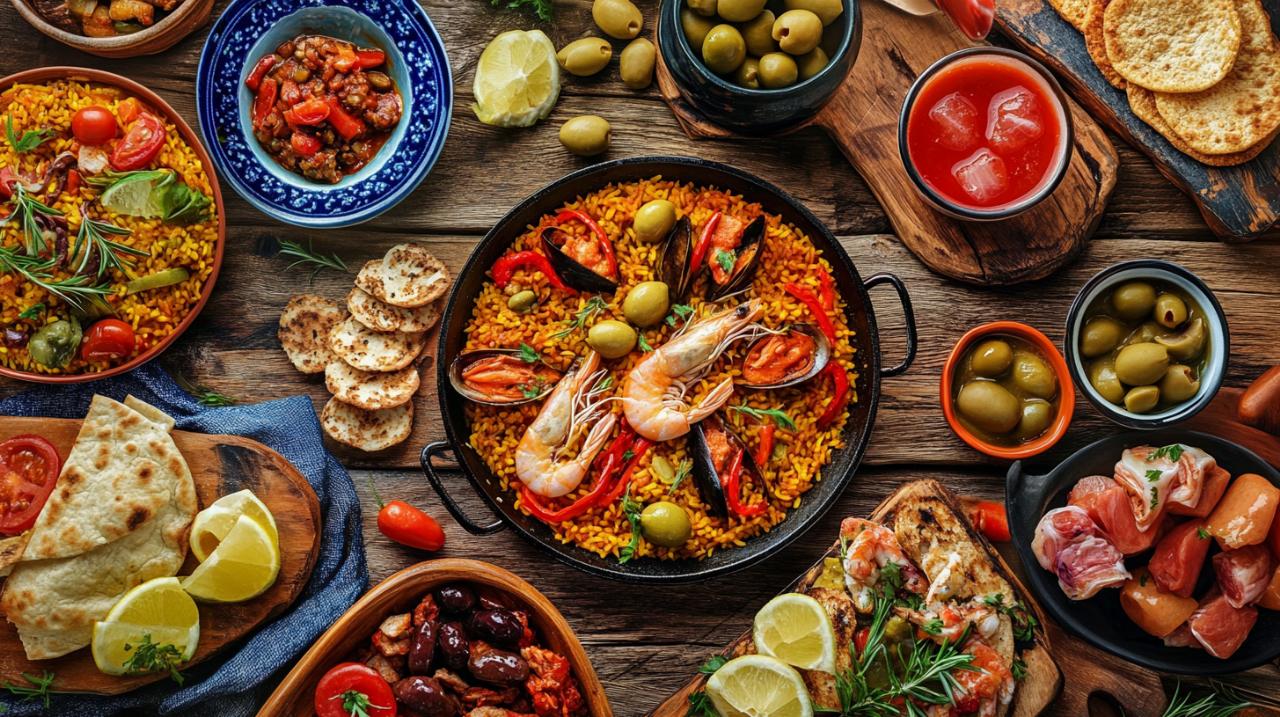
Seafood paella has become perhaps the most internationally recognised variation, featuring an abundance of prawns, mussels, squid, and sometimes lobster or crayfish arranged artfully across the golden rice. The preparation begins with creating a rich sofrito base of tomatoes, garlic, and peppers, which provides depth and colour to the finished dish. The timing proves crucial, as different seafood requires varying cooking periods, with firmer fish and squid added earlier whilst delicate shellfish joins the pan near the end. The result should showcase perfectly cooked rice with each grain separate yet infused with the essence of the sea, topped with shellfish that have opened to reveal their tender flesh.
Slow-Cooked Comfort: Preparing Fabada Asturiana and Cocido Madrileño at Home
The mountainous region of Asturias has contributed fabada to the Spanish culinary canon, a robust bean stew that provides sustenance against the cool, damp climate of the north. This hearty dish centres on large white beans that simmer gently with pork shoulder, chorizo, and morcilla, allowing the beans to absorb the smoky, rich flavours of the meats whilst maintaining their creamy texture. The secret to exceptional fabada lies in the slow, patient cooking process, which can extend for several hours as the beans gradually soften and the various components meld into a harmonious whole. Many cooks prepare fabada a day in advance, as the flavours continue to develop and improve after resting overnight.
Cocido madrileño represents the capital city's contribution to Spanish stew traditions, featuring a complex array of meats, vegetables, and chickpeas that cook together before being served in separate courses. The traditional presentation begins with the broth, enriched by all the ingredients and often containing thin noodles, followed by the chickpeas and vegetables, and finally the various meats including beef, pork, chicken, and cured sausages. This multi-course approach transforms a single pot into an elaborate meal that can sustain a family throughout an entire afternoon. The preparation requires organisation and timing, as different components need staggered additions to ensure everything reaches perfect doneness simultaneously, yet the effort yields a deeply satisfying feast that embodies the spirit of Spanish home cooking.