Transforming your home into a sanctuary of Mediterranean warmth and authenticity doesn't require a plane ticket to the sun-drenched hills of Spain. By embracing the rustic charm and heartfelt traditions of countryside living, you can craft a genuine finca cuisine experience that delights the senses and brings a touch of Ibiza's tranquil beauty directly to your dining room. This approach goes beyond merely preparing a meal; it's about creating an atmosphere where every element, from the ingredients on your plate to the textures surrounding your table, works in harmony to transport you and your guests to a simpler, more grounded way of life.
Bringing rustic mediterranean flavours to your kitchen
At the heart of any finca cuisine experience lies a deep respect for the land and its bounty. The flavours that define this culinary tradition are rooted in simplicity, relying on fresh, seasonal produce and time-honoured techniques rather than elaborate presentations or exotic imports. When you begin to explore this style of cooking, you'll find that the focus shifts from complexity to quality, celebrating the natural taste of each ingredient. Think sun-ripened tomatoes, fragrant olive oil, aromatic herbs like rosemary and thyme, and earthy vegetables that have been grown with care. These elements form the backbone of dishes that are both nourishing and deeply satisfying, reflecting the rhythm of rural life where meals are prepared with patience and shared with joy.
Essential ingredients for authentic finca cooking
To truly capture the essence of finca cuisine, it's vital to stock your larder with ingredients that mirror the Mediterranean pantry. Olive oil, preferably extra virgin and cold-pressed, serves as the foundation for nearly every dish, lending a rich, fruity undertone that enhances rather than overwhelms. Fresh garlic and onions provide aromatic depth, while ripe tomatoes, whether used raw in salads or slow-cooked into sauces, bring a natural sweetness that balances savoury notes. Pulses such as chickpeas and lentils add substance and protein, making them ideal for hearty stews that warm the soul. Don't overlook the importance of fresh herbs; basil, parsley, oregano, and mint can be grown in pots on a sunny windowsill, ensuring you always have vibrant flavours at your fingertips. Artisan cheeses, cured meats, and crusty bread are also essential, offering textures and tastes that invite leisurely enjoyment. By prioritising locally sourced and organic options, you not only honour the spirit of finca living but also support sustainable practices that benefit the wider community.
Traditional cooking methods for home preparation
The techniques employed in finca cooking are as unpretentious as the ingredients themselves, yet they require a certain mindfulness and appreciation for the process. Slow roasting and gentle simmering are preferred over high-heat methods, allowing flavours to meld and deepen over time. A terracotta cazuela, for instance, is a staple in many Mediterranean kitchens, perfect for preparing dishes that benefit from even, steady heat. Grilling over open flames or using a cast-iron skillet can impart a smoky, rustic character to vegetables and meats alike. Baking bread at home, though it demands patience, fills your kitchen with an intoxicating aroma and provides a sense of accomplishment that store-bought loaves simply cannot match. When preparing a meal, embrace the rhythm of slow cooking: let your ingredients take their time, stir occasionally, and trust that the layers of flavour will reveal themselves when the moment is right. This approach not only results in delicious food but also transforms cooking from a chore into a meditative, rewarding practice.
Creating an inviting finca-inspired dining atmosphere
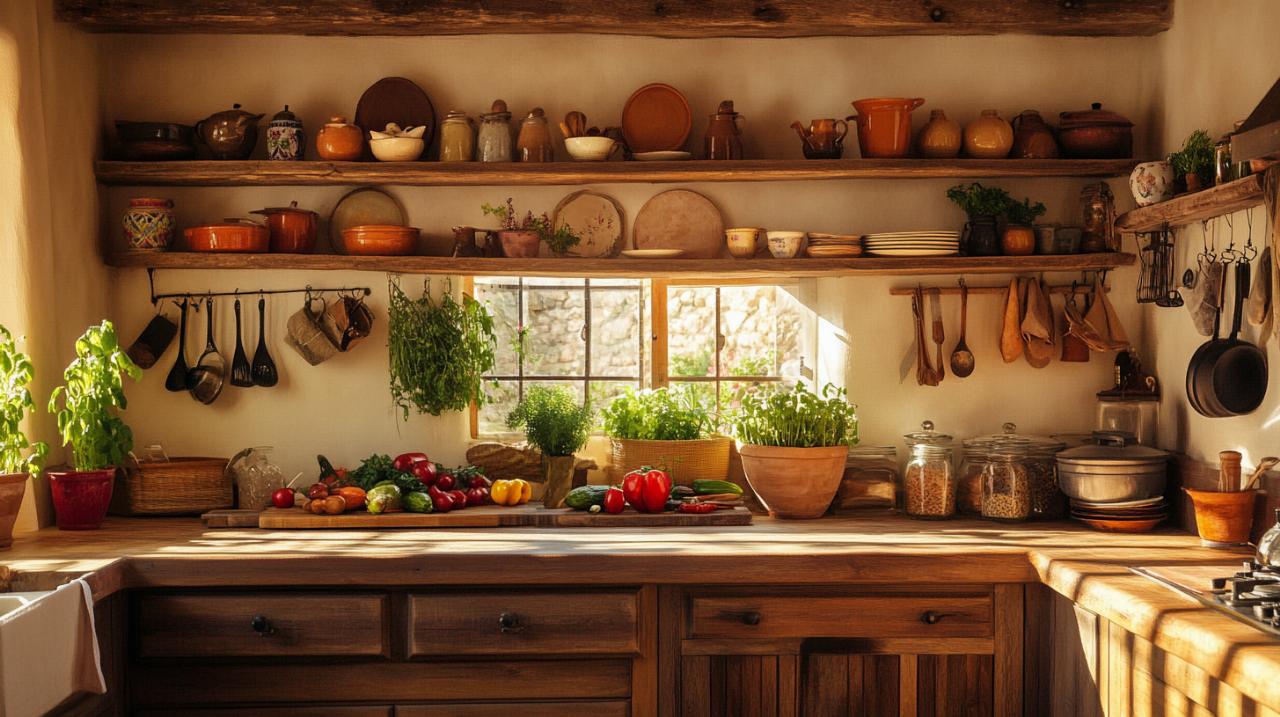
A truly memorable finca cuisine experience extends far beyond what's served on the plate. The environment in which you dine plays a crucial role in evoking the relaxed, convivial spirit of countryside living. Drawing inspiration from design elements that celebrate natural materials, local craftsmanship, and understated elegance, you can create a dining space that feels both intimate and uplifting. This is where the principles of thoughtful interior design intersect with the culinary arts, allowing you to craft an atmosphere that invites guests to linger, converse, and savour every moment.
Setting the Table with Mediterranean Elegance
The table itself becomes a canvas for expressing the warmth and authenticity of finca living. Rather than reaching for formal, matching dinnerware, consider mixing and matching pieces that tell a story. Handcrafted ceramics in earthy tones, linen napkins in soft neutrals, and rustic wooden serving boards all contribute to a relaxed yet refined aesthetic. Incorporate elements sourced from local artisans, as this not only supports regional craftsmanship but also ensures that each piece carries a sense of place and history. A centerpiece of fresh herbs or wildflowers, perhaps gathered from your own garden or a nearby market, adds a touch of spontaneity and life. Glassware with a slightly imperfect finish, reminiscent of traditional techniques, can catch and reflect the flicker of candlelight, enhancing the overall ambiance. The goal is to create a setting that feels effortless and inviting, where guests feel comfortable reaching for bread, pouring wine, and engaging in unhurried conversation.
Incorporating natural elements and warm lighting
Lighting and texture are the unsung heroes of any finca-inspired dining space. Soft, warm lighting, whether from candles, lanterns, or dimmable overhead fixtures, casts a gentle glow that encourages relaxation and intimacy. Avoid harsh, clinical brightness in favour of layered light sources that can be adjusted to suit the mood. Natural materials play an equally important role: exposed wooden beams, stone accents, and terracotta tiles evoke the architectural heritage of rural Mediterranean homes. If structural changes aren't feasible, smaller touches such as woven baskets, jute placemats, or a reclaimed wood table can achieve a similar effect. Textiles in linen or cotton, in shades of cream, sand, and muted terracotta, add softness and warmth, while cushions and throws invite guests to settle in and stay awhile. Consider the flow of your space as well; an open, uncluttered layout that connects the kitchen to the dining area mirrors the communal ethos of finca life, where cooking and eating are shared experiences rather than separate activities. By thoughtfully blending these elements, you transform your home into a haven where the simple act of sharing a meal becomes a celebration of life's richest pleasures.